
Expensive skincare can only do so much if your daily diet is working against your skin. For many people, breakouts, redness, dullness, dryness, and early fine lines are not just skincare problems. They can also be linked to what is on the plate every day.
The good news is that improving skin through food does not have to mean following a strict new diet. Often, the fastest way to help your complexion is to cut back on a few common troublemakers and replace them with better options that support hydration, collagen, and a calmer skin barrier.
How Your Daily Diet Impacts Skin Health and Aging
Several everyday foods can influence the skin in ways that show up as acne, irritation, uneven texture, or premature aging. The main issues highlighted here are:
- Blood sugar spikes that increase insulin and can push oil production higher.
- Inflammation that may worsen redness and flare-prone skin.
- Glycation which weakens collagen and elastin over time.
- Lack of healthy fats which can leave skin dry, flaky, and irritated.
- Lower antioxidant intake which can leave skin looking dull and stressed.
If your diet leans heavily on processed snacks, sugar, refined carbs, and poor-quality fats, your skin may struggle even if the rest of your routine looks solid.
What is glycation and why does it matter for skin aging?
Glycation happens when sugar binds to proteins like collagen and elastin. These are the structures that help skin stay firm, smooth, and resilient. When they become weakened, skin can start to look less bouncy and more prone to fine lines and sagging.
This is one reason high-sugar eating patterns are often associated with skin that looks tired, dull, or older than expected.
5 Common Foods That Cause Breakouts and Dullness
1. Sugary foods and drinks
Sugar is one of the biggest diet-related issues for skin. It can contribute to collagen breakdown through glycation and may also leave the complexion looking dull. For acne-prone skin, frequent sugar spikes can be especially frustrating.
Common examples include:
- Soda and fizzy sweetened drinks
- Candy bars
- Sweet coffee drinks
- Sugary breakfast foods
Better swaps:
- Sparkling water with lemon instead of soda
- Porridge with nuts and berries instead of sugary cereal
- Dark chocolate with at least 70% cacao instead of milk chocolate
These alternatives can help you cut back on sugar without feeling like you are giving up every treat.
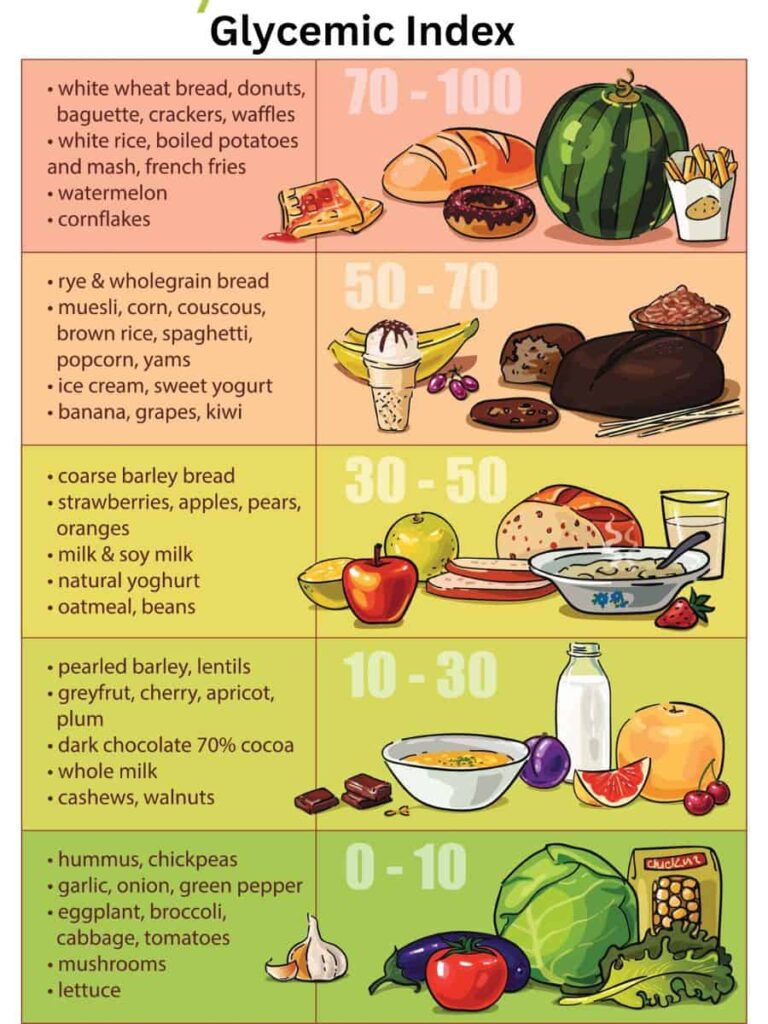
2. Refined high-GI carbs like white bread, white pasta, and sugary cereals
Refined carbohydrates can act a lot like sugar in the body. They tend to raise blood sugar quickly, which can trigger more insulin activity. According to the source material, this can ramp up oil production, contribute to clogged pores, and accelerate visible skin aging.
If your lunch or breakfast often centers around refined carbs, your skin may respond with:
- More oiliness
- More breakouts
- A dull or tired-looking complexion
Better swaps:
- Whole grain sourdough instead of white bread
- Chickpea pasta or lentil pasta instead of white pasta
- Less processed breakfast options built around whole grains, nuts, and fruit
3. Margarine and trans fat-heavy spreads
Margarine is singled out here because of its trans fats. These fats are described as especially unhelpful for skin because they can increase inflammation and make skin more sensitive to UV-related damage. That combination can contribute to collagen breakdown, dullness, and faster visible aging.
If your skin feels lackluster even when you moisturize consistently, poor-quality fats may be part of the problem.
Better swap:
- Avocado oil-based spreads, which provide monounsaturated fats and are presented as a more skin-friendly option
4. White rice
White rice is another refined, high-GI carb highlighted as a potential issue for skin. Because it can spike blood sugar quickly, it may contribute to dullness, uneven-looking skin, and accelerated signs of aging.
Better swaps:
- Wild rice
- Quinoa
Wild rice is specifically noted as a more supportive option, and quinoa is suggested as another easy replacement with a more nutrient-dense profile.
5. Processed snack-heavy eating patterns
Even when the main focus is on individual foods, the broader pattern matters. Diets built around processed snacks, sugar, and low-quality fats are described as especially likely to drive inflammation, dullness, and flare-ups.
This matters for people who deal with chronic irritation or reactive skin. Inflammatory eating patterns may worsen conditions such as:
- Rosacea
- Eczema
- Psoriasis
- Post-inflammatory dark spots that linger after irritation
The Best Foods for a Clear, Glowing Complexion
Cutting back on problem foods is only half the equation. Adding in nutrient-rich foods can give your skin the building blocks it needs to look smoother, calmer, and more hydrated.
Vitamin C-rich fruits for collagen support
Oranges, lemons, and pineapples are highlighted for their vitamin C content. Vitamin C helps support collagen, which is important for skin firmness and bounce.
Try adding them through:
- Fresh fruit at breakfast
- Citrus in water
- Fruit with yogurt alternatives or oats
Avocados for moisture support
Avocados are described as a natural way to support skin moisture. If your skin often feels dry, tight, or flaky, foods with nourishing fats may help more than relying on topical products alone.
Red grapes for antioxidant support
Red grapes are noted for resveratrol, a compound associated here with fighting visible aging and helping keep fine lines at bay.
Fatty fish for omega-3s
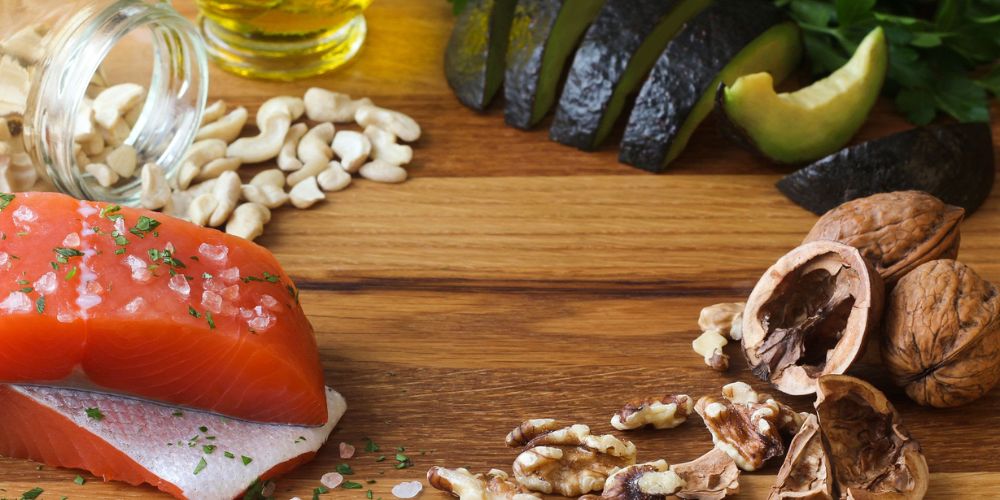
Salmon and mackerel are presented as standout choices because of their omega-3 content. Omega-3s can help calm inflammation, support hydration, and may be especially useful for skin that breaks out or becomes irritated easily.
Nuts and seeds for vitamin E, antioxidants, and healthy fats
Walnuts, almonds, and chia seeds are highlighted as compact but powerful foods for skin support. They offer a combination of omega-3s, antioxidants, and vitamin E, all of which can help skin appear healthier and more radiant.
Simple Daily Food Swaps for Clearer Skin
If you want clearer or glowier skin without overhauling your entire routine, start with a few direct swaps:
- Swap soda for sparkling water with lemon.
- Swap sugary cereal for porridge with nuts and berries.
- Swap milk chocolate for dark chocolate.
- Swap white bread for whole grain sourdough.
- Swap white pasta for chickpea or lentil pasta.
- Swap margarine for avocado oil-based spreads.
- Swap white rice for wild rice or quinoa.
These changes are practical, affordable, and realistic for everyday meals.
Signs your diet may be showing up on your skin
Not every skin issue comes from food, but diet may be worth reviewing if you notice:
- Frequent breakouts
- Persistent redness
- Dullness that does not improve with skincare
- Dry, flaky skin
- Irritated skin that seems to flare easily
- Skin that looks more tired or uneven over time
Common mistakes when changing your diet for better skin
Trying to fix everything at once
Extreme overhauls are hard to stick to. A few targeted swaps are more manageable and often more sustainable.
Focusing only on what to remove
Adding in beneficial foods matters just as much as cutting back on problem foods. Skin needs healthy fats, antioxidants, and vitamin-rich whole foods to thrive.
Ignoring healthy fats
Low-quality fats can be a problem, but skin still needs good fats. Without them, dryness and irritation can become more noticeable.
Expecting instant perfection
Diet changes can support skin, but they are not a magic reset overnight. Consistency matters more than being perfect for a few days.
The Science: Does Sugar and Dairy Really Cause Acne?
Based on the source material, certain foods may contribute to acne and dullness by increasing blood sugar, insulin, oil production, inflammation, and collagen breakdown. That does not mean every breakout is food-related, but diet can be a meaningful trigger for some people.
What should you eat for glowing skin?
A skin-supportive approach includes more foods like:
- Citrus fruits and pineapple for vitamin C
- Avocados for nourishing fats
- Red grapes for antioxidant support
- Salmon and mackerel for omega-3s
- Walnuts, almonds, and chia seeds for healthy fats, antioxidants, and vitamin E
- Whole-food carb swaps such as wild rice, quinoa, whole grain sourdough, chickpea pasta, and lentil pasta
A simple plan for improving your skin through diet
- Cut one major sugar source. Start with soda, candy, or sweetened coffee drinks.
- Replace one refined carb. Choose whole grain sourdough, quinoa, wild rice, or lentil pasta.
- Upgrade your fats. Reduce trans fat-heavy options like margarine and bring in avocado-based spreads, fish, nuts, and seeds.
- Add one vitamin C-rich fruit daily. Oranges, lemons, or pineapple are easy starting points.
- Stay consistent. Repeating simple habits matters more than chasing a perfect diet.
Bottom line
If your skin is breaking out, looking dull, or aging faster than expected, your diet may be playing a bigger role than you think. Sugar, refined carbs, white rice, margarine, and processed snack-heavy eating patterns can all work against your complexion.
Simple swaps can make a real difference. Choose better carbs, healthier fats, and more antioxidant-rich foods, and your skin has a much better chance to look clear, calm, and naturally radiant.
Also Read: Morning vs Night Skincare: A Stylist’s Guide to What Really Matters

1 thought on “Your Diet Is Ruining Your Skin: 5 Foods to Avoid for a Glowing Complexion”
Great content! Keep up the good work!